 Business License
Why are more and more customers choosing laser welding machines?
If you are struggling with inconsistent weld quality, low efficiency, or the difficulty of recruiting skilled welders, take a few minutes to read this article.
We understand the pain points of traditional welding.
Argon arc welding is slow, causes significant thermal deformation, and results in unsightly welds; meanwhile, skilled welders are hard to find, labor costs are high, and younger workers are reluctant to take on the job. These are common challenges for many manufacturing enterprises. The emergence of laser welding technology is changing all of this.
What makes laser welding so good?
First, speed. Laser welding can be 5 to 10 times faster than traditional TIG welding. Second, precision. Laser energy is highly concentrated, creating a minimal heat-affected zone and causing almost no workpiece deformation. The resulting weld surface is smooth and attractive; for many low-to-medium power applications, post-processing steps like polishing are unnecessary. Third, cost-efficiency. It requires no welding rods or flux, consumes less energy, and significantly lowers overall operating costs. Finally, ease of use. The barrier to entry is low; ordinary workers can master it after only short-term training.
In short: fast, aesthetically pleasing, minimal deformation, and easy to learn.
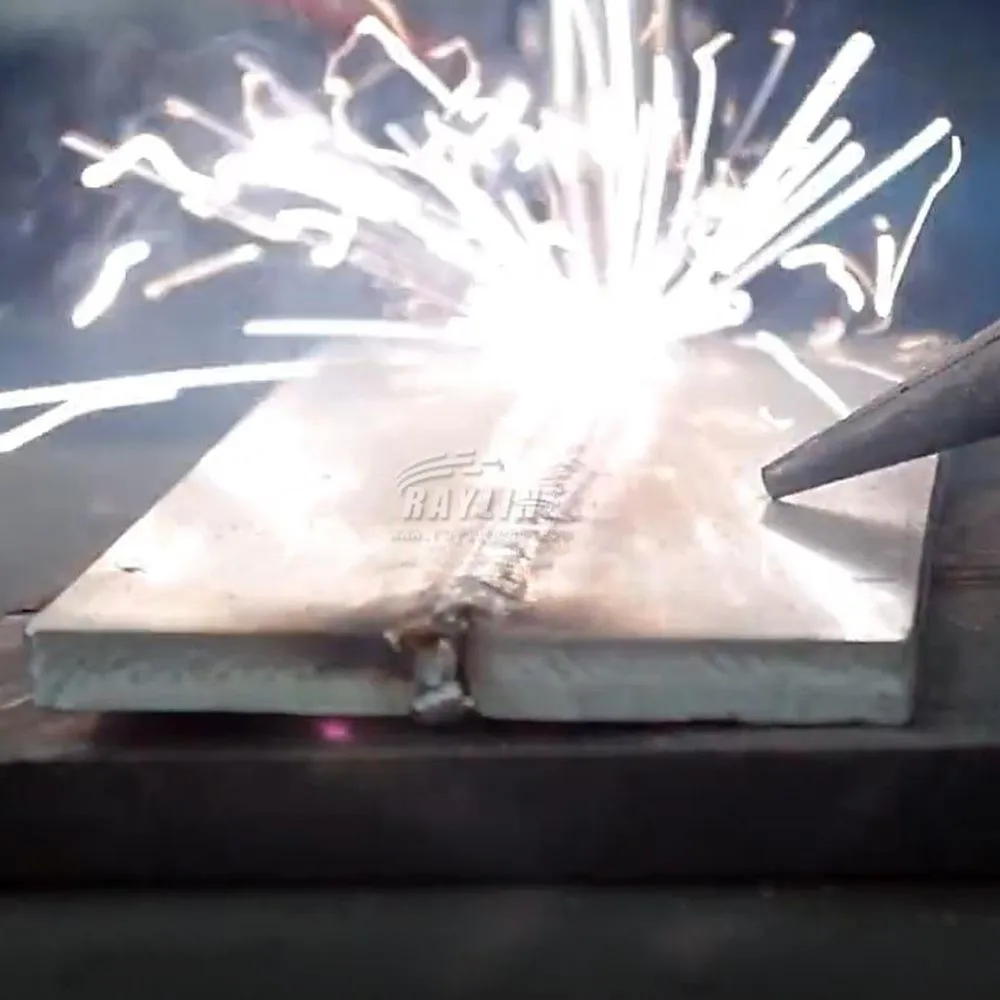
Which industries are using it?
New energy vehicles and power batteries: Battery tray and module welding—currently one of the fastest-growing application areas.
Automotive parts manufacturing: Welding of precision components such as car bodies and brackets.
Consumer electronics: Micro-welding for mobile phones, tablets, and similar devices.
Aerospace and medical devices: Welding requiring high precision and reliability.
Sheet metal processing, kitchen and bathroom hardware, and door/window decoration: Handheld laser welding is rapidly gaining popularity.
Rail vehicles: Minimal welding deformation and high structural reliability.
Market figures confirm this trend—the domestic market for laser welding equipment is projected to exceed 24 billion RMB by 2026.
Our advice to you
If you are considering adopting laser welding equipment, first clarify your material types, thicknesses, and process requirements. Then, find a reliable supplier to perform sample tests using your actual materials. Don't focus solely on power output and price; factors like system integration, long-term operational stability, and the speed of after-sales service often determine how well the equipment actually performs.
Laser welding isn't a cure-all, but for many manufacturing scenarios, it delivers tangible improvements in efficiency and cost savings. Choosing the right equipment and the right partner could be one of your most valuable investments in the coming years.

Contact Us
Recommended Products
-
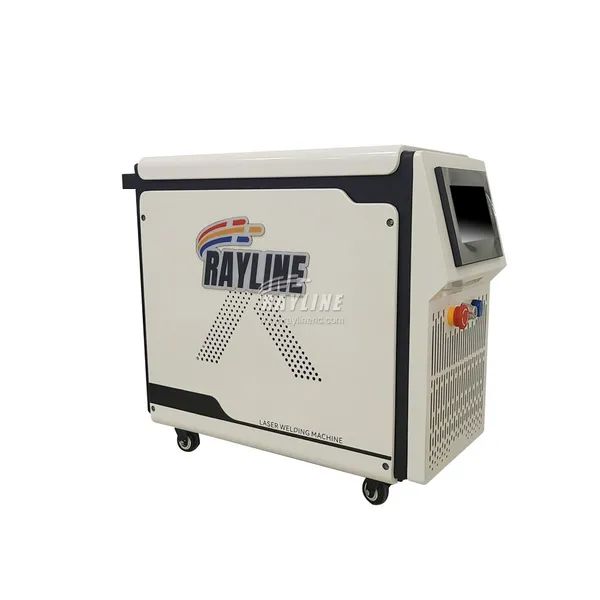
 Handheld Fiber Laser Welding Machine Portable Laser Welder for Metal Stainless Steel Aluminum Sheet Metal FabricationUS$ 3500MOQ: 1 Case
 -
Cut Faster, Deliver Sooner – Double Your Daily Output With Fiber Laser PowerUS$ 7900MOQ: 1 Case
-
YH Compact 4-in-1 Fiber Laser Welder Cutter Cleaner With Automatic Wire Feeder for Workshop ProjectsUS$ 8500MOQ: 2 Cases
-
Portable Air Cooled Handheld Laser Welding Machine for Lightweight Metal FabricationUS$ 3800MOQ: 2 Cases
-
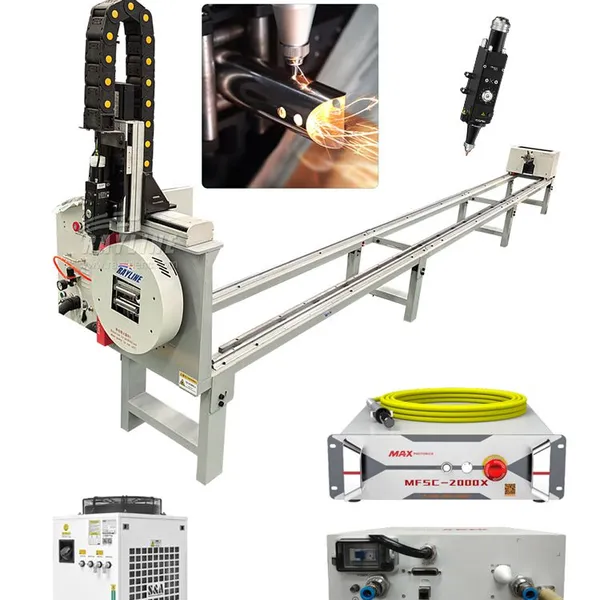
5-in-1 Laser Cutting Machine | Integrated Processing for Flat Sheets, Square Tubes, Round TubesUS$ 7900MOQ: 2 Cases
-
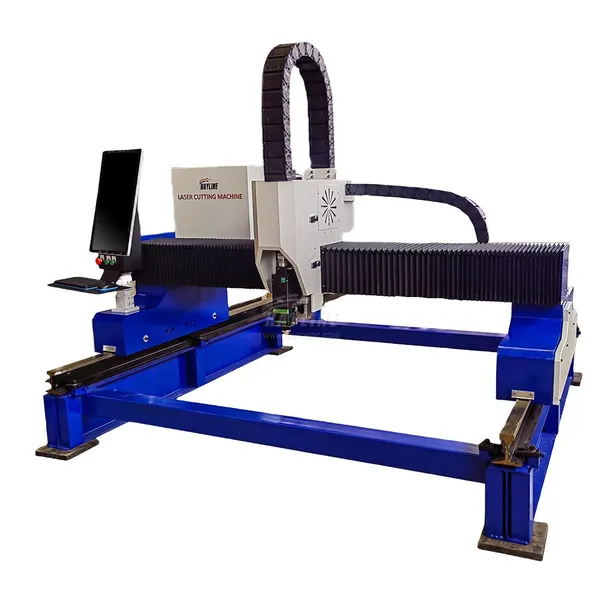
High-Precision Gantry Laser Cutting Machine – Factory-Direct Supply of Extra-Large Format Metal Sheet Cutting EquipmentUS$ 148888MOQ: 1 Case
-
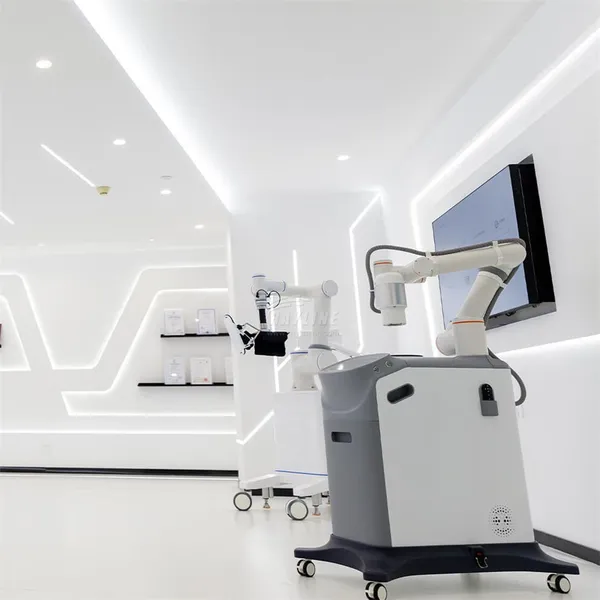
DOBOT CRAF Force-Controlled Cobot | 5-20kg Payload, ±0.02mm Repeatability | Plug-and-Play for Precision Assembly & GrindingUS$ 5500MOQ: 2 Cases
-
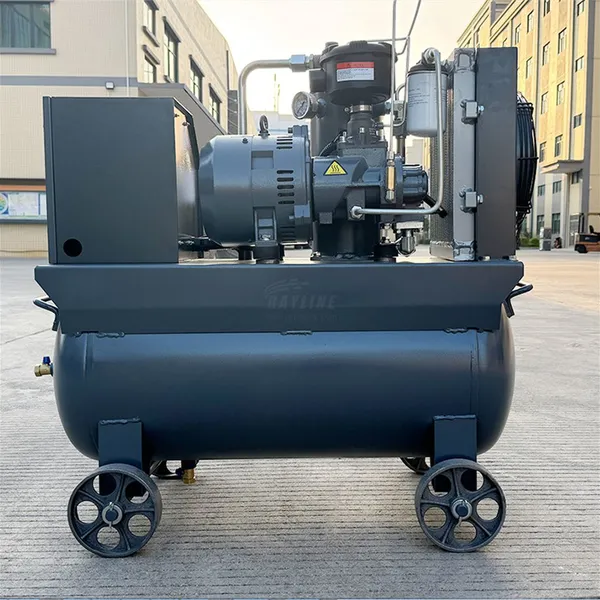
RA Series Silent Air Compressor Oil Free With Tank For Laser Cutting CNC Engraving Air Tools WorkshopUS$ 1800MOQ: 2 Cases
-
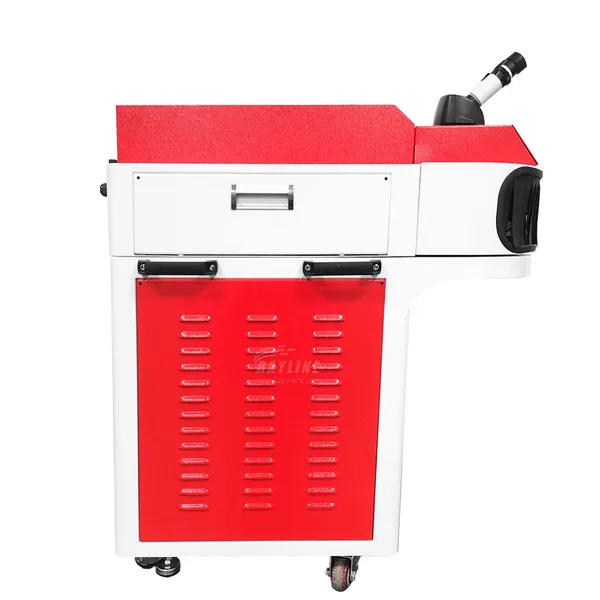
RA VR Series Jewelry Laser Welding Machine Vertical With Water Tank For Gold Silver Platinum Ring RepairUS$ 3000MOQ: 2 Cases
-
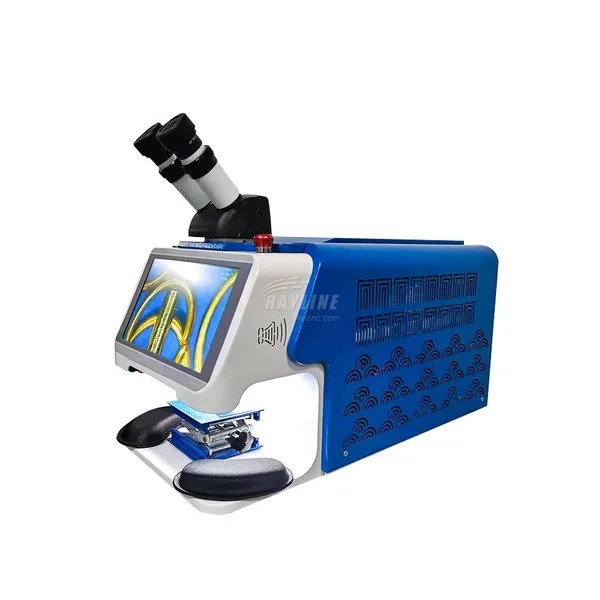
RA VR Series New Blue Jewelry Laser Welding Machine With CCD For Gold Silver Platinum Ring RepairUS$ 4200MOQ: 2 Cases
-
RA VR Series Mini Jewelry Laser Welding Machine With CCD For Gold Silver Platinum Ring RepairUS$ 4000MOQ: 2 Cases
-
RA VR Series Mini Jewelry Laser Welding Machine Large Screen With CCD For Gold Silver Platinum Ring RepairUS$ 4100MOQ: 2 Cases
-
RA VR Series Jewelry Laser Welding Machine Blue White With CCD For Gold Silver Platinum Ring RepairUS$ 3200MOQ: 2 Cases
-
RA VR Series Jewelry Laser Welding Machine Orange White With CCD For Gold Silver Platinum Ring RepairUS$ 3200MOQ: 2 Cases
-
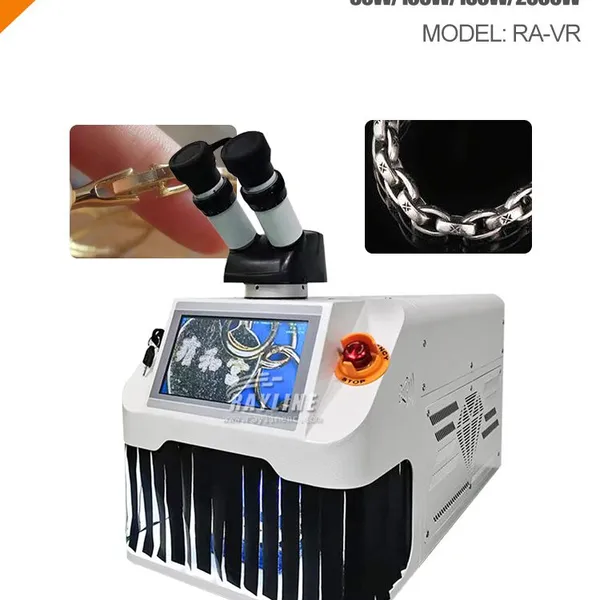
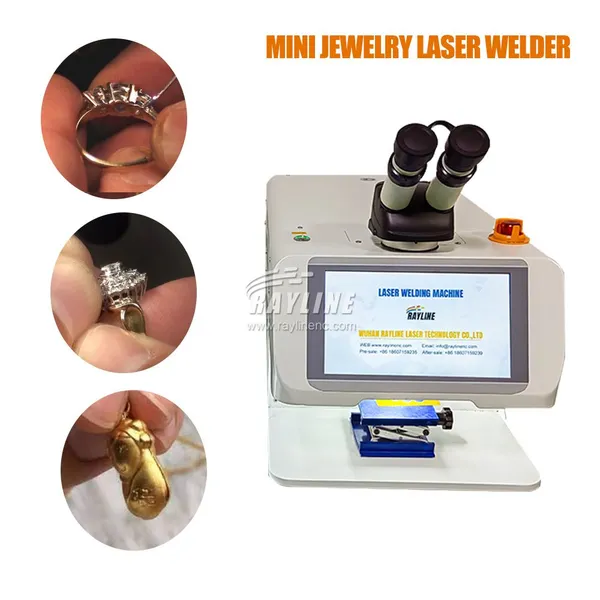
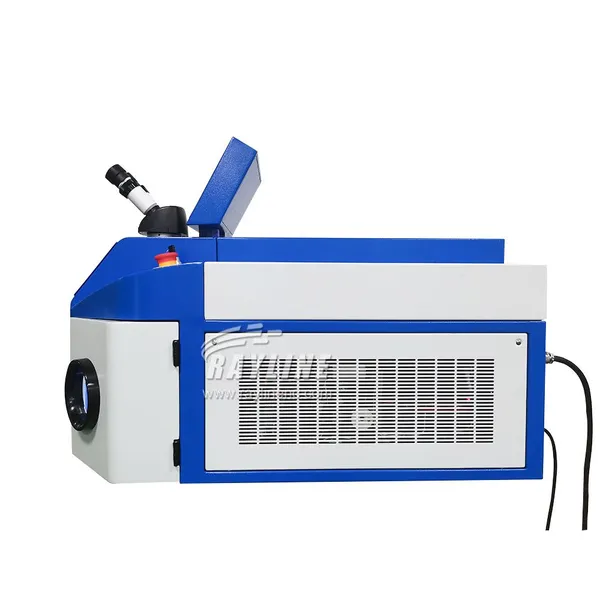
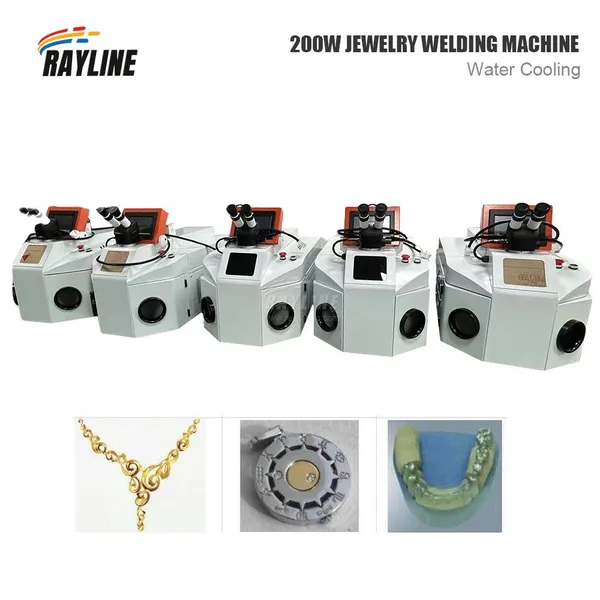
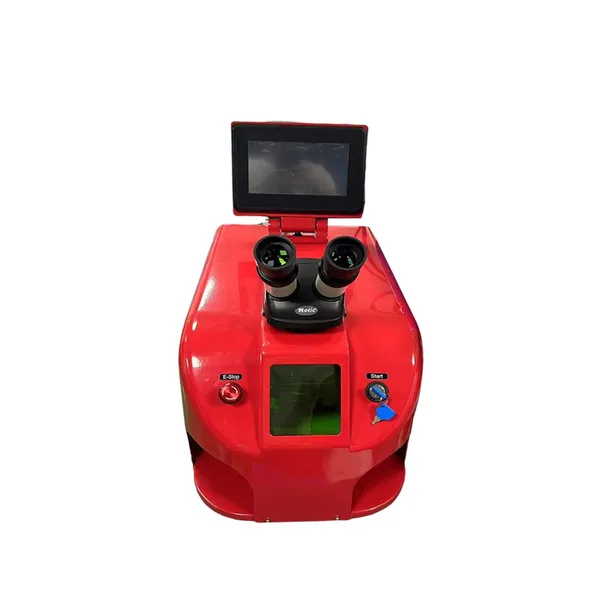
RA VR Series Mini Jewelry Laser Welding Machine With CCD Microscope For Gold Silver Stainless Steel Ring RepairUS$ 3600MOQ: 2 Cases
-
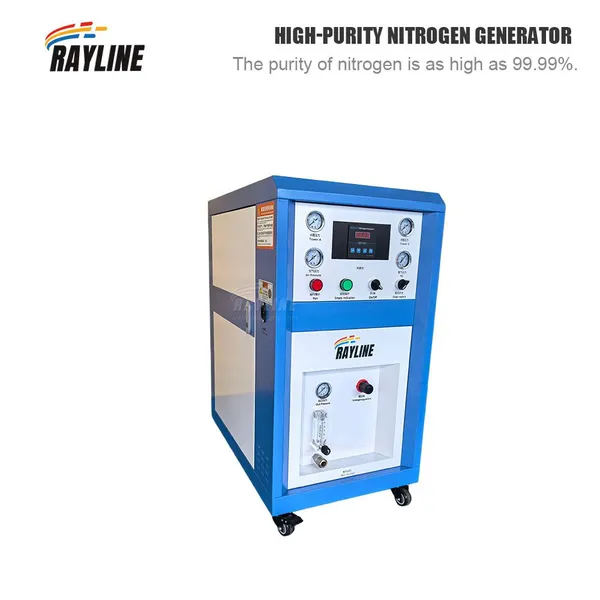
RA Series Nitrogen Generator PSA Nitrogen Making Machine For Laser Cutting Food Packaging Industrial UseUS$ 1200MOQ: 2 Cases
-
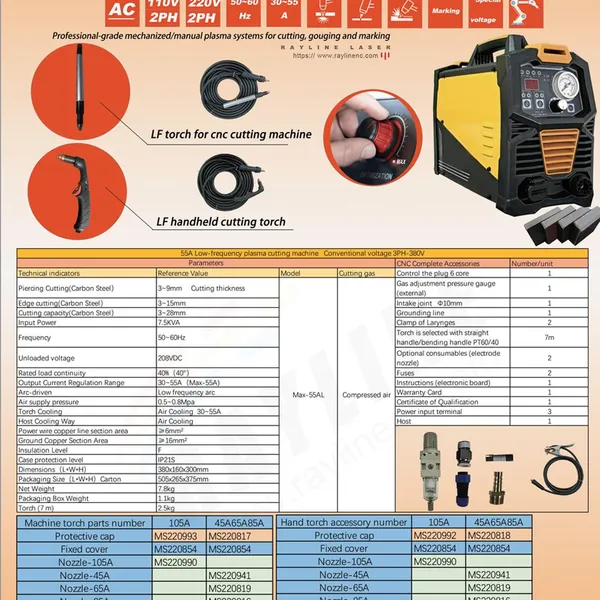
Low Frequency Plasma Power Source RA Series For CNC Cutting Machine Heavy Duty Cutter Power Supply For Steel PlateUS$ 888MOQ: 2 Cases
-
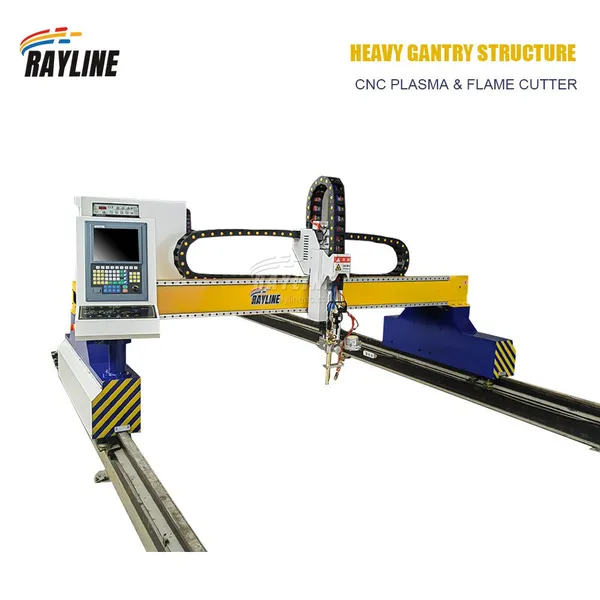
RA XF Series Heavy Duty Gantry CNC Cutting Machine Flame Plasma Cutter For Steel Plate Structural FabricationUS$ 5800MOQ: 2 Cases
-
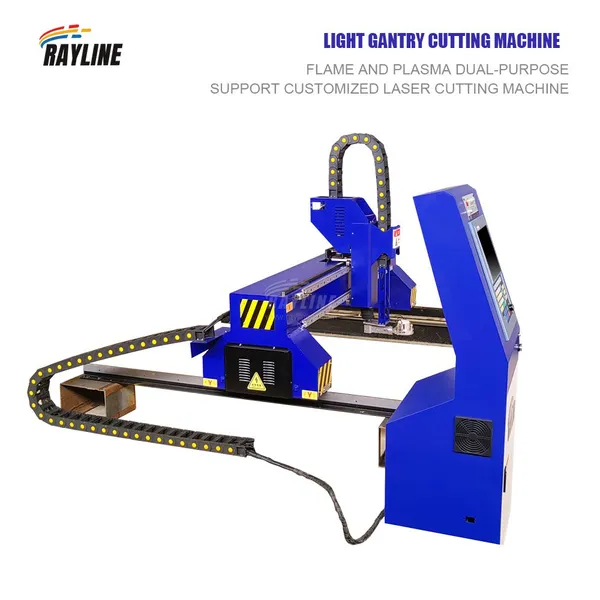
RA F Series Portable CNC Cutting Machine Flame Plasma Cutter For Steel Pipe Plate Structural Metal FabricationUS$ 4800MOQ: 2 Cases
-
Portable CNC Cutter RA F Series Flame Plasma Cutting Machine For Steel Plate Pipe Structural Metal WorkshopUS$ 1500MOQ: 2 Cases